A closer look at Toronto roofsDifferent Homes. Different Roofing Questions.
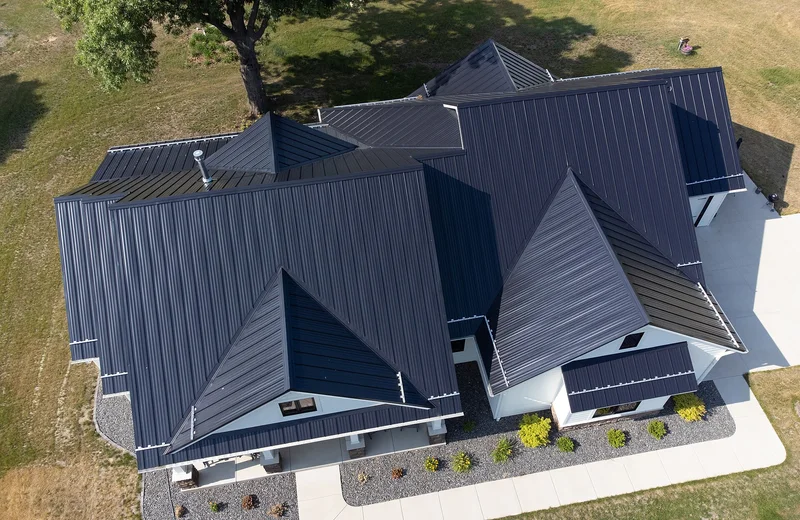
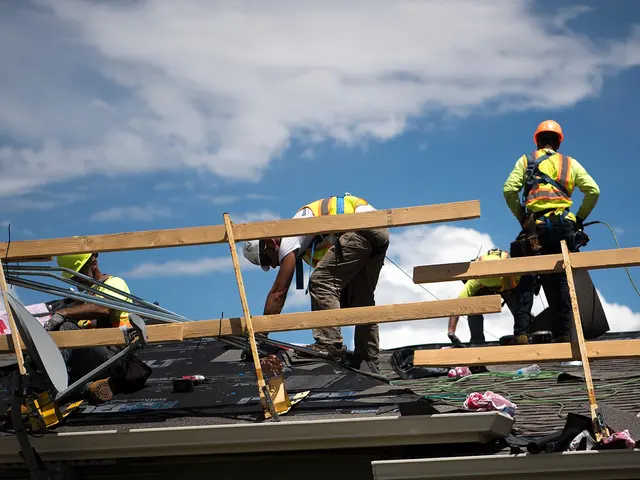
A roof tells only part of the story from the street. The building’s age, additions, access, and roof details help local Toronto roofers understand what the job may involve.
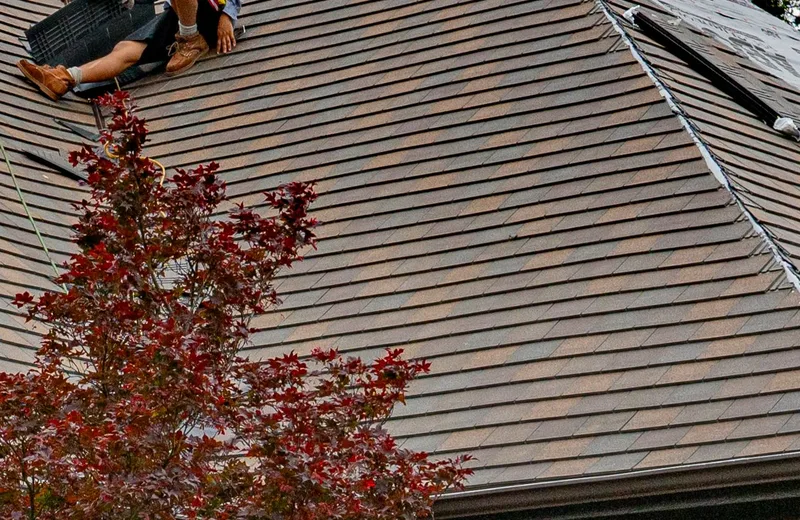
Older homes & mixed roof systemsDescribe the whole building
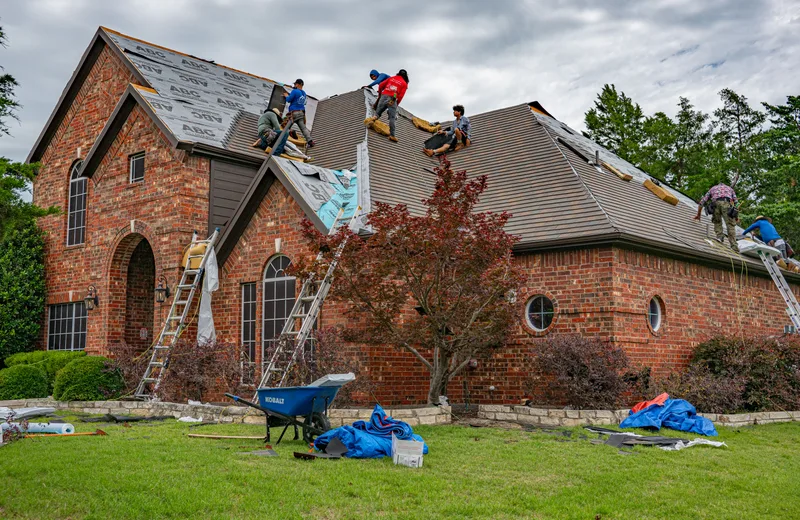
A house in The Beaches or High Park may have a pitched main roof and a lower addition with a different covering. Mention shared walls, earlier repairs, and tight access. The contractor should assess how those roof sections meet, not just the spot where water appeared.
When the weather changesFreeze/thaw, snow & ice
Leaks can appear as temperatures shift or ice builds near the edges. Tell the contractor when the problem shows up and which rooms are affected. Roof details, attic conditions, and drainage may need to be considered together rather than assuming the shingles alone are responsible.
After rain or windShingles and flashing deserve a look
High winds can reveal weak or lifted shingles, while heavy rain may expose a flashing failure around a chimney, wall, or skylight. Note any change after a storm. Aging shingles and repeated patching are useful context for an assessment.
Flat & low-slope roofsWater needs a way out
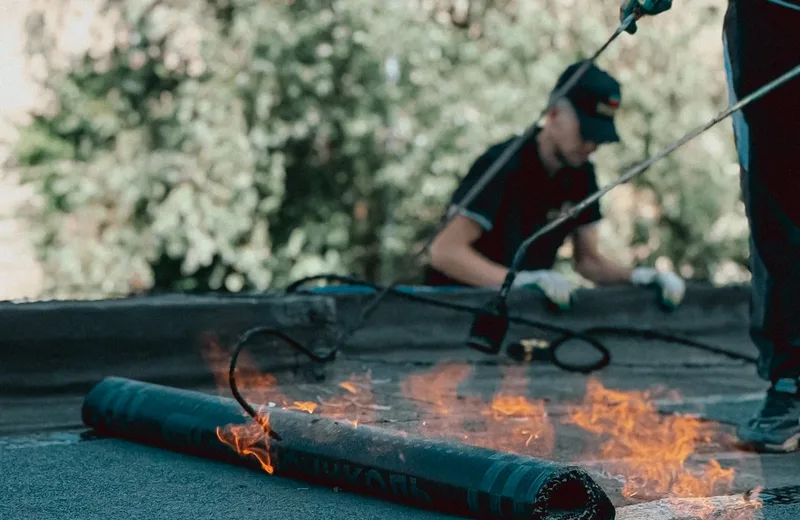
On an addition, garage, or commercial building, mention standing water, blocked drainage, and any equipment passing through the roof. Toronto roofing contractors should explain the membrane, seams, and flashing details alongside the visible leak.
A practical seasonal habitKeep a record from the ground
After winter and before leaf debris builds up in fall, note new stains, overflowing gutters, or changes you can see safely. For an older home in East York or Leslieville, a few dated photos and a repair history can make the first conversation more useful. Leave roof access to a professional.